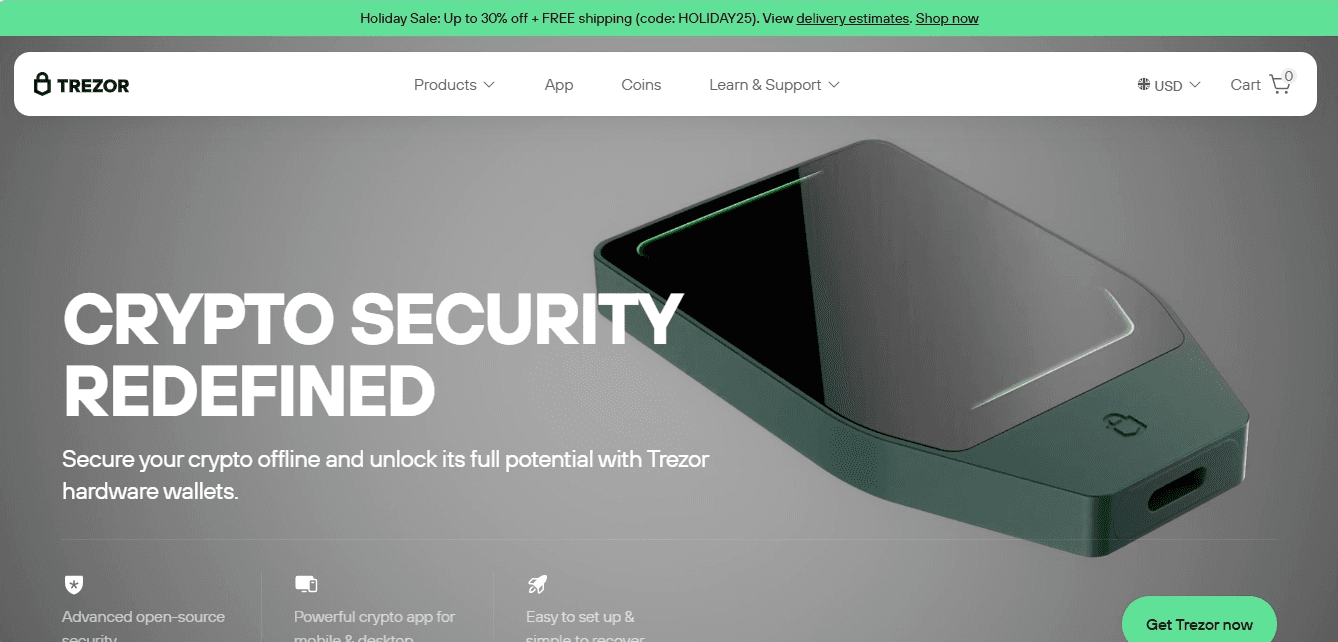
Trezor.io/Start – The Complete Guide to Getting Started with Your Trezor Wallet
In the world of cryptocurrency, security is paramount. Unlike traditional banking systems, cryptocurrency transactions are irreversible, and losing access to your wallet can mean losing your funds permanently. Trezor.io/start is the official starting point for new Trezor users, guiding you through setting up your hardware wallet, securing your assets, and managing your cryptocurrencies safely.
This comprehensive guide will cover everything you need to know about Trezor.io/start, including setup, security, wallet features, account management, interacting with decentralized applications (dApps), staking, troubleshooting, and best practices. By the end, you’ll have the knowledge to confidently start using your Trezor wallet.
What Is Trezor.io/Start?
Trezor.io/start is the official onboarding portal for Trezor hardware wallets, including Trezor One and Trezor Model T. It provides step-by-step instructions to:
Set up your Trezor device securely
Install Trezor Suite, the official software for managing your wallet
Backup and secure your recovery seed
Add cryptocurrency accounts and manage multiple assets
Connect safely to Web3 applications
Unlike online wallets, Trezor wallets are non-custodial, meaning your private keys remain securely stored on your hardware device. Trezor.io/start ensures that you begin your crypto journey safely and correctly.
Why Start with Trezor.io/start
Starting with Trezor.io/start is essential for several reasons:
Official Guidance: The portal ensures you are following verified instructions to prevent phishing and scams.
Secure Setup: Your recovery seed and PIN are generated and stored securely.
Device Authentication: Trezor devices are authenticated before accessing Trezor Suite.
Access to Full Features: Provides guidance for staking, portfolio management, and Web3 interactions.
Using Trezor.io/start ensures that your wallet is set up correctly from the very beginning, minimizing risks associated with improper setup or unsecured devices.
Getting Started with Trezor.io/start
To begin, you need a Trezor hardware wallet and a computer or mobile device.
Step 1: Visit Trezor.io/start
Open your web browser and navigate to https://trezor.io/start.
This portal will guide you to download Trezor Suite, the official wallet management application.
Always verify that you are on the official Trezor website to avoid phishing scams.
Step 2: Install Trezor Suite
Trezor Suite is available for:
Desktop: Windows, macOS, Linux
Web: Browser-based interface
Mobile: iOS and Android
Download and install Trezor Suite following the instructions provided on Trezor.io/start. Once installed, you are ready to connect your hardware wallet.
Step 3: Connect Your Trezor Device
Connect your Trezor One or Model T to your computer using the supplied USB cable.
Follow Trezor Suite instructions to detect the device.
Your device will initialize and verify authenticity.
Trezor.io/start ensures that the device is genuine and ready for secure setup.
Step 4: Set Up a PIN
Every Trezor device requires a PIN, which protects your wallet in case it is lost or stolen.
Enter the PIN directly on the Trezor device.
The PIN is never transmitted to your computer, enhancing security.
Each time you access your wallet, the PIN must be entered.
This ensures that even if your computer is compromised, your assets remain protected.
Step 5: Backup Your Recovery Seed
Trezor.io/start will guide you through generating and securely backing up your recovery seed.
The recovery seed consists of 12, 18, or 24 words.
Write it down on paper and store it securely offline.
Never store the recovery seed digitally or share it with anyone.
This seed is the only way to recover your wallet if your device is lost or damaged.
Adding and Managing Cryptocurrency Accounts
After setup, Trezor Suite allows you to manage multiple cryptocurrency accounts securely. Supported blockchains include:
Bitcoin (BTC)
Ethereum (ETH) and ERC-20 tokens
Bitcoin Cash (BCH)
Litecoin (LTC)
Cardano (ADA)
Solana (SOL)
Polkadot (DOT)
To add an account:
Open Trezor Suite.
Click Add Account and select the cryptocurrency.
Trezor Suite will link the account to your hardware wallet.
You can view balances, transaction histories, and portfolio performance across all added accounts.
Sending and Receiving Crypto
Receiving Crypto
Select the account you wish to receive funds in.
Click Receive to generate a wallet address.
Verify the address on your Trezor device.
Share the address only with trusted sources.
Sending Crypto
Click Send in Trezor Suite.
Enter the recipient’s wallet address and amount.
Confirm the transaction details carefully.
Approve the transaction physically on your Trezor device.
By signing transactions on the hardware device, Trezor ensures that your private keys never leave the device.
Using Trezor for Web3 and DeFi
Trezor.io/start also introduces users to Web3 integration:
Connect safely to decentralized finance platforms and dApps
Interact with NFT marketplaces
Execute smart contracts securely
All private keys remain on the device, protecting your funds
This allows you to explore DeFi and Web3 applications without sacrificing security.
Staking and Earning Rewards
Trezor Suite supports staking for several cryptocurrencies:
Tezos (XTZ)
Polkadot (DOT)
Cardano (ADA)
Steps for staking:
Select a supported asset in Trezor Suite.
Choose a validator or staking pool.
Confirm the staking transaction on your device.
Earn rewards, which are added directly to your wallet.
Staking allows you to grow your portfolio while keeping your assets secure.
Security Best Practices
Even with Trezor.io/start, maintaining security requires vigilance:
Download Trezor Suite only from the official website
Keep your recovery seed offline and never share it
Confirm addresses and transactions on the Trezor device
Enable passphrase protection for extra security
Update Trezor Suite and firmware regularly
Avoid phishing emails and fraudulent websites
Following these practices ensures maximum protection for your assets.
Troubleshooting Common Issues
Common problems and solutions include:
Device not detected: Ensure proper USB connection and updated Trezor Suite
Forgotten PIN: Use your recovery seed to restore the wallet
App freezes or crashes: Reinstall Trezor Suite from the official website
Firmware update errors: Check that your device is connected and follow on-screen instructions carefully
Trezor.io/start provides links to official support resources for troubleshooting.
Common Mistakes to Avoid
Using Trezor.io/start helps prevent mistakes such as:
Entering your recovery seed on untrusted websites
Using fake Trezor Suite applications
Ignoring firmware updates
Approving transactions without verifying them on the device
Sharing private keys or recovery seeds
Following the official guide reduces the risk of losing funds due to human error or scams.
Why Trezor Is Trusted Worldwide
Trezor has established itself as a leader in hardware wallet security:
Offline private key storage
PIN protection and passphrase options
Recovery seed for disaster recovery
Verified firmware updates
Compatibility with thousands of cryptocurrencies
Millions of users trust Trezor to secure their digital assets, making it one of the most reliable solutions for cryptocurrency storage.
Final Thoughts on Trezor.io/start
Trezor.io/start is the essential first step for anyone using a Trezor hardware wallet. By following the official setup guide, users can:
Securely initialize their Trezor device
Backup and protect recovery seeds
Manage multiple cryptocurrencies safely
Interact with Web3 applications and staking platforms
Key takeaways:
Always use Trezor.io/start for verified instructions
Keep your recovery seed offline and secure
Confirm all transactions on your hardware device
Explore advanced features like staking and DeFi safely
Trezor.io/start provides a secure, structured, and user-friendly introduction to managing cryptocurrency assets. Following the official guidance ensures maximum security and peace of mind as you enter the world of crypto.